


NCAP Car Testing: Ensuring Safety and Quality
Introduction
In an ever-evolving automotive industry, safety remains a paramount concern for manufacturers, consumers, and regulatory bodies. One of the crucial measures to evaluate vehicle safety is the New Car Assessment Program (NCAP) testing. NCAP provides consumers with valuable information about the safety performance of various car models.
The Origin of NCAP
The NCAP concept originated in the United States during the 1970s as a response to increasing concerns about vehicle safety. It aimed to provide consumers with unbiased safety ratings for new car models, influencing purchasing decisions and encouraging manufacturers to prioritize safety features in their designs.
Testing Procedures
The NCAP car testing process involves a series of rigorous crash tests and evaluations to assess a vehicle’s safety performance in various scenarios. These tests simulate real-life accidents, enabling researchers to analyze the car’s structural integrity, occupant protection, and safety assist systems. The most common types of crash tests conducted during NCAP evaluations include frontal impact, side impact, and pedestrian protection.
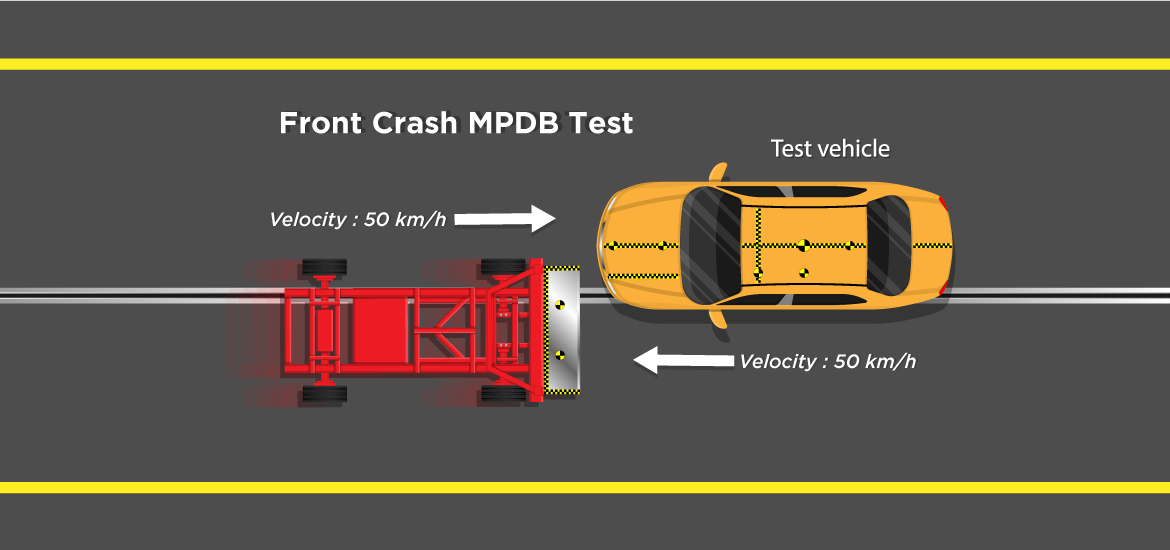
1. Frontal Impact Test: In this test, the car collides head-on with a solid barrier at a predetermined speed. The impact is designed to mimic a two-vehicle frontal collision. Sensors and dummies are used to measure the forces on occupants’ bodies (adult and child occupants) and assess the effectiveness of restraint systems such as seat belts and airbags.
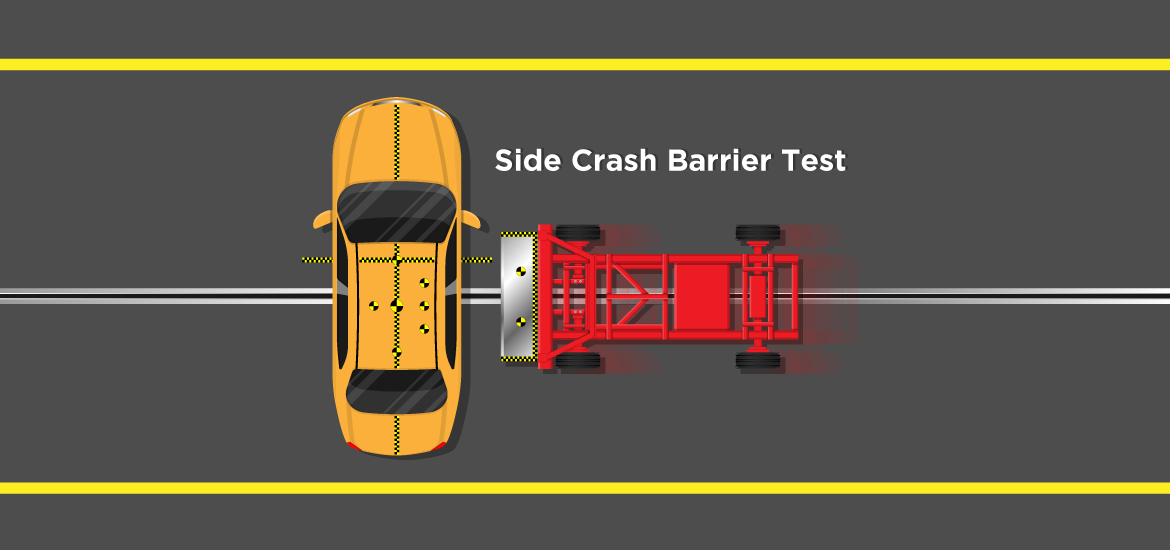
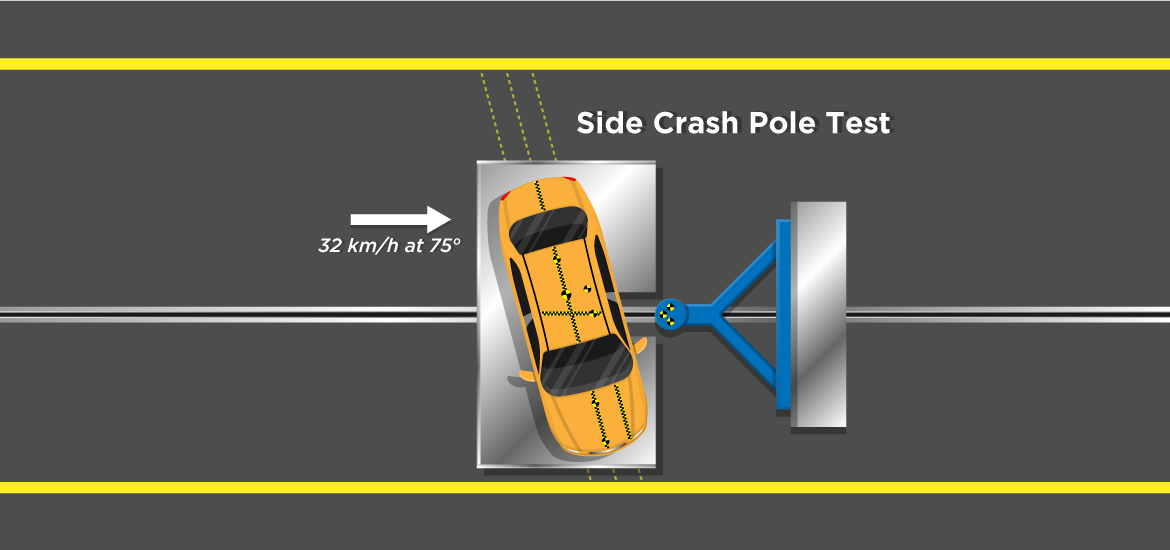
2. Side Impact Test: The side impact test evaluates a vehicle’s ability to protect occupants during a T-bone collision. A moving barrier and a pole, strike the side of the car at a specified speed, replicating an accident at an intersection or a side impact with another vehicle.
3. Pedestrian Protection Test: This test assesses a car’s ability to minimize injury to pedestrians in the event of a collision. It involves using various impactors to simulate different pedestrian impact scenarios, such as head and leg impacts.
Safety Assist Systems Evaluation
In addition to crash tests, NCAP evaluations also assess the effectiveness of safety assist systems in vehicles. These systems include electronic stability control, autonomous emergency braking, lane-keeping assist, and other advanced driver assistance features. Their performance is crucial in preventing accidents and reducing the severity of collisions.
Rating System
The outcome of NCAP car testing is typically presented in a rating system that assigns scores or stars to each vehicle. The rating criteria differ among programs, but generally, the more stars a vehicle receives, the safer it is considered to be. These ratings provide consumers with easily understandable and comparable information when considering different car models.
With our expert team and core experiences, we can assess and help in the development of any passenger class vehicle (including e-Vehicle), by targeting the country’s NCAP requirements, like Euro NCAP, U.S. NCAP, JNCAP, C-NCAP, KNCAP, Latin NCAP, Global NCAP and IIHS.